Reviews
Rising World Survival stands out for its atmospheric world and meaningful decision-making. The ruined city feels alive with detail, and the balance between exploration and conservation keeps each session engaging. The moral dilemmas are genuinely tough, often leaving you second-guessing your choices. While the pacing can be slow at times, the narrative payoff is worth the patience. This is a game that rewards careful thinking and rewards replaying to uncover alternative paths.
Description
Setting and Atmosphere
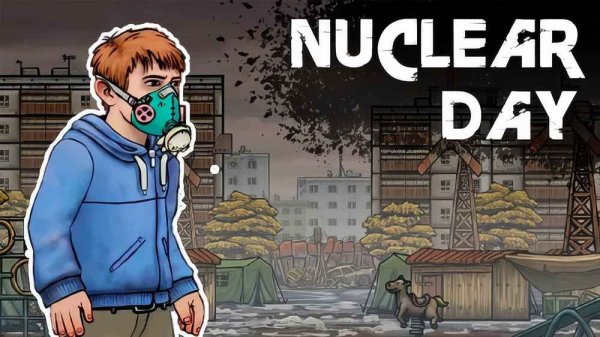
Rising World Survival places you in a city that has been transformed by an unspecified disaster. The environment is a mix of crumbling infrastructure and overgrown spaces, where nature is slowly reclaiming what was lost. The visual design emphasizes contrast between decay and resilience, with detailed textures that convey a sense of history. The soundscape complements this, using ambient noises like wind and distant echoes to build tension. Players navigate through districts that each have their own character, from collapsed commercial zones to residential areas now serving as shelters for the desperate.
Core Gameplay Loop
The primary activity involves moving through the city while monitoring three key personal metrics: physical condition, nutrition, and contamination from the environment. Each action, from climbing rubble to opening a sealed door, carries a cost. The inventory system requires careful consideration of what to carry, as space is limited. You must decide whether to risk entering a potentially dangerous area for supplies or take a safer but less rewarding path. The quest log provides direction without being overly prescriptive, allowing for organic exploration.
Moral Decision Framework
Throughout the journey, you meet other individuals who have also survived. Some may offer assistance in exchange for resources, while others might pose a dilemma. The game presents situations where there is no clearly correct choice, forcing you to weigh short-term benefits against long-term consequences. These decisions are woven into the narrative, affecting which story branches become available. The system encourages reflection rather than speed, as each choice can alter the fate of characters you encounter.
Resource Scarcity and Planning
Supplies are deliberately limited, requiring strategic thinking about when to use items and when to conserve. A store exists but operates on a barter system, where you trade found goods for necessary equipment. The map helps you plan efficient routes, but it does not reveal all hazards. Environmental puzzles appear in certain locations, demanding creative solutions to unlock new areas or retrieve hidden caches. The balance between exploration and conservation is a constant challenge, as overextending can leave you vulnerable.
Replayability Through Narrative Paths
Because the story adapts to your decisions, each playthrough can lead to different outcomes. Some runs may focus on direct progression toward the main objective, while others might involve building alliances or uncovering secrets about the disaster. The game does not punish experimentation; instead, it rewards curiosity and careful observation. This structure gives the experience a personal feel, as your choices create a unique narrative tailored to your style of play.










03 Comments
Sign in to comment
You must be logged in before posting a review or rating.
No account? Create one
No comments yet. Be the first to comment!