Reviews
Tile Arrangement Puzzle stands out for its serene approach to brain teasers. The gradual difficulty curve ensures players of all skill levels can enjoy it, while the clean visuals and gentle audio create a truly relaxing atmosphere. Each solved puzzle provides a genuine sense of accomplishment. The lack of timers or penalties encourages creative problem-solving, making it an ideal choice for both short breaks and longer sessions. A must-try for puzzle enthusiasts seeking a peaceful mental workout.
Description
Core Puzzle Logic
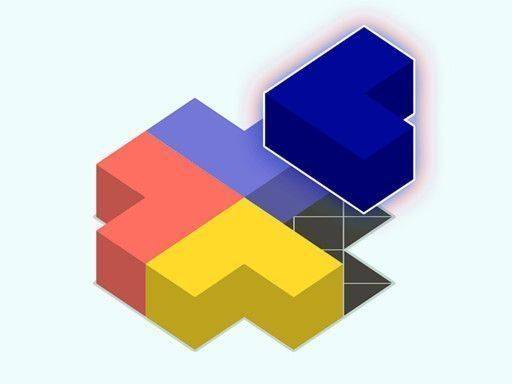
At its heart, this game revolves around a simple but satisfying task: arrange all given tiles so they completely cover a square board without any gaps or overlaps. The pieces vary in shape and size, requiring players to think about how each one can rotate or flip to fit perfectly. This core loop of selecting, rotating, and placing pieces creates a rhythm that feels both challenging and calming.
Level Design & Progression
Each level introduces a new board layout and a unique set of tiles. Early stages use simple shapes that are easy to place, while later levels add more complex pieces that require deeper spatial reasoning. The difficulty increases gradually, ensuring players never feel overwhelmed. There are no lives, points, or time limits, so each puzzle can be approached at a comfortable pace.
Visual & Audio Atmosphere
The game uses a clean, uncluttered visual style with a soft color palette that helps reduce eye strain. Pieces snap into place with a gentle animation, providing clear feedback without being distracting. The background music and sound effects are subtle, designed to create a peaceful environment that helps players focus on the puzzle. This thoughtful design makes the game suitable for both short play sessions and longer, immersive sessions.
Accessibility & Player Experience
Controls are intuitive: players drag pieces from a selection area onto the board and can rotate or flip them with simple taps or clicks. The game does not penalize mistakes, encouraging experimentation and learning through trial and error. This approach makes the game accessible to players of all ages and skill levels, from children developing spatial awareness to adults looking for a relaxing mental exercise.
Strategic Approaches
Experienced players often develop strategies to solve puzzles more efficiently. A common approach is to place larger pieces first to establish a framework, then fill in gaps with smaller tiles. Another technique involves focusing on the board edges, as they provide clear constraints that can guide placement decisions. The game rewards patience and careful observation, making each solved puzzle feel genuinely satisfying.





03 Comments
Sign in to comment
You must be logged in before posting a review or rating.
No account? Create one
No comments yet. Be the first to comment!