Reviews
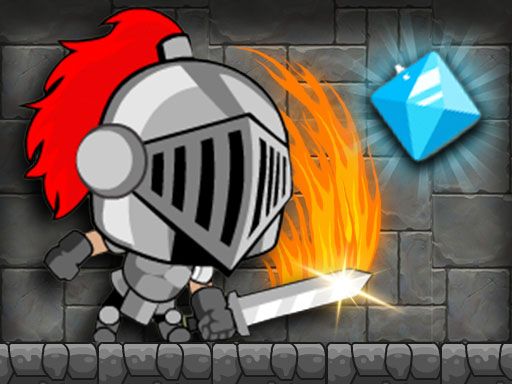
Cooperative Climb Puzzle Quest stands out for its thoughtful level design and genuine emphasis on collaboration. Each floor presents a unique logic puzzle that requires both players to communicate and coordinate. The tool system adds variety without complexity, and the gradual difficulty curve keeps the experience accessible. Bright, cheerful visuals and a forgiving retry system make it ideal for younger players. The lack of any competitive elements or time pressure allows for relaxed, thoughtful play. A rare gem that proves puzzle games can be both challenging and wholesome.
Description
Core Puzzle Mechanics
Each level in Cooperative Climb Puzzle Quest presents a self-contained logic puzzle. Players must collect keys scattered across the floor to unlock the door leading upward. The challenge lies in figuring out the most efficient route while accounting for obstacles that block the path. Some keys are hidden behind movable blocks, while others require activating switches in the correct order. The game encourages players to think ahead and coordinate their movements, as each character can perform different actions. This design ensures that every floor feels like a fresh mental workout rather than a repetitive task.
Tool-Based Problem Solving
Throughout the tower, players find useful items that expand their options. A rope allows a character to swing over gaps, a shield deflects gusts of wind, and a lantern lights up dark corners. These tools are not weapons but puzzle-solving aids. Each item has a specific use, and players must decide when to deploy them. Some puzzles have multiple solutions, rewarding creative thinking. The game never punishes experimentation, so trying different approaches is encouraged. This tool system adds depth without overwhelming younger players.
Visual Design and Accessibility
The game features bright, colorful graphics with clear visual cues. Each floor has a distinct color palette and theme, making progression feel varied. Character models are simple but expressive, and animations are smooth. The interface uses large icons and minimal text, making it accessible to pre-readers and non-native speakers. Controls are straightforward: movement, jump, and interact. On-screen hints appear when a player is stuck, but they never give away the full solution. This balance keeps the game approachable for families while still offering a satisfying challenge for older players.
Cooperative Play and Communication
Designed specifically for two players, the game requires constant communication. One player might need to hold a switch while the other crosses a bridge, or both must time their jumps to avoid falling platforms. There is no competitive element; success depends entirely on collaboration. The game supports both local multiplayer and single-player mode where one person controls both characters. In single-player, the pace slows down, allowing for more deliberate planning. This flexibility makes it suitable for siblings, friends, or parent-child duos.
Progression and Difficulty Curve
The tower consists of multiple floors, each introducing a new puzzle element. Early levels teach basic movement and key collection, while later floors combine tools, timing, and environmental hazards. The difficulty increases gradually, ensuring players build confidence before facing tougher challenges. There is no fail state that resets progress; players can retry a floor as many times as needed. This forgiving design reduces frustration and encourages persistence. Completing the final floor reveals a simple, heartwarming ending that celebrates teamwork.





03 Comments
Sign in to comment
You must be logged in before posting a review or rating.
No account? Create one
No comments yet. Be the first to comment!